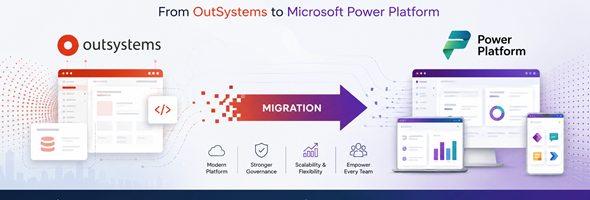
Enterprise Transformation at Scale: Recovering and Delivering a Global Application Migration
Enterprise transformation programs rarely fail because of technology—they fail due to misalignment across architecture, execution, and governance.
Until recently, if we wanted to call a bound or unbound action from a Canvas app, we would have to create a Power Automate flow that would be triggered from the Canvas App and would then call a bound or unbound action from Power Automate. Not any more…
Although cards for Power Apps were made Generally Available in March 2023, they were not available from within solutions, which made the deployment process more complex. Last week, on November 2nd, Microsoft announced that Cards for Power Apps have become solution aware.
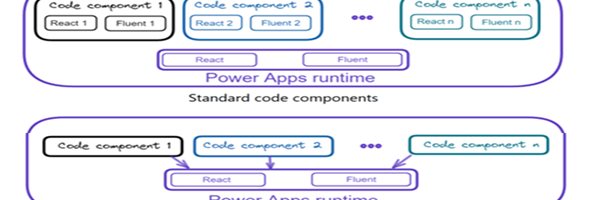
A while back (April of last year) Microsoft introduced the concept of Virtual PCF components. Although there are a lot of benefits of using this new type of component adoption does not seem to be too high. When looking at the components that are available in the pcf gallery for example, the majority of the components are still Standard
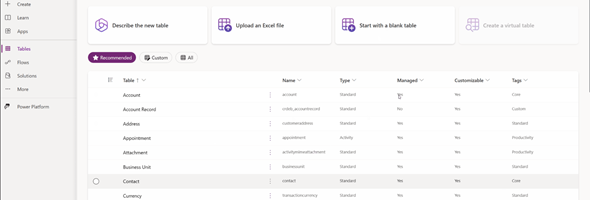
The table creation experience in the Maker Portal has been somewhat slow, but now Microsoft has released some new features (in GA) that will make the creation of tables easier and more versatile, including uploading tables from Microsoft Excel or conversation-based table creation powered by Copilot.
The AAD Users virtual table that was added to Dataverse has been a lifesaver for a lot of applications, especially when using Power Apps licensing as they provide the full subset of Active Directory users. When using Power Apps licensing, not all users are automatically synched to the Users table, so that is a great addition.
through an opt-in preview. These controls are based on Microsoft’s Fluent design system, which most of the Microsoft product experiences follow (such as Microsoft Office and Microsoft Teams).
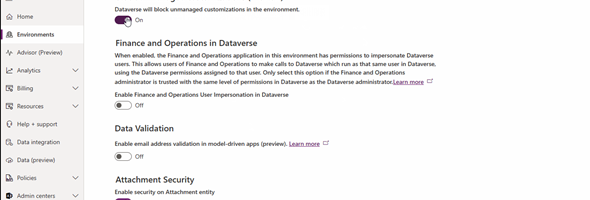
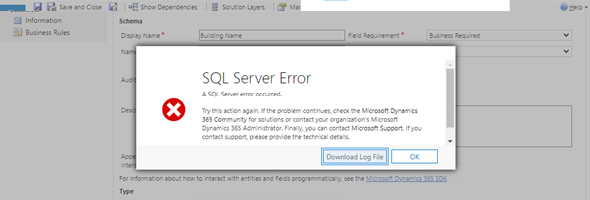
the team members on a project I am on mentioned that they were trying to change the width of a field in our unmanaged environment, but were not able to do this. This to me seemed a little weird, so I decided to investigate.
Up until recently the email description field or the body of the email have been stored within the Microsoft Dataverse data store. This is going to be changing in the coming months where the email description field will be moved to an Azure Blob Storage
In the last week or so, depending on your region, you might have encountered some changes in the way Security roles are accessed from the Power Platform Admin Center. While this seems to be available at this time in most Geographies, some of them might still be missing.