


Enterprise transformation programs rarely fail because of technology—they fail due to misalignment across architecture, execution, and governance.
I was brought into a large-scale transformation program within the telecommunications industry that had already been in motion for several months and was at risk of failure. The initiative aimed to modernize and migrate a portfolio of business-critical applications into a scalable, cloud-aligned platform.
The challenge wasn’t just delivery—it was stabilization, recovery, and execution under tight constraints.
The Challenge
Four months into the program, the initiative faced significant risks:
- Misaligned architecture and delivery approach
- Inefficient use of resources across global teams
- Timeline and budget concerns that jeopardized delivery
Compounding this, the organization was operating under strict licensing constraints.
If the program failed to meet its delivery timeline, the client would incur an additional year of licensing costs—amounting to millions of dollars.
Additionally, several of the applications in scope were used enterprise-wide, supporting a workforce of over 200,000 employees, making this a highly visible and high-risk transformation.
Scope & Complexity
- Migration of 15+ business-critical applications
- Coordination of 50+ global technical and functional resources
- Multiple concurrent workstreams across regions
- Integration with enterprise systems, data platforms, and governance frameworks
- High user impact across a 200K+ employee organization
Approach: Stabilize, Restructure, Deliver
1. Program Stabilization
The first priority was to assess the current state and identify structural gaps:
- Evaluated architecture, delivery processes, and dependencies
- Identified misalignment between business expectations and technical execution
- Established a clear and realistic delivery path forward
2. Restructuring Execution
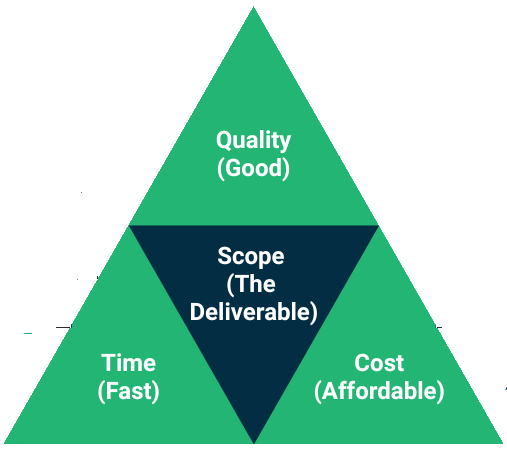
To recover the program, I restructured:
- Timeline – realigned milestones to achievable delivery targets
- Resources – optimized team structure across global contributors
- Budget – ensured spend aligned with delivery priorities and outcomes
This created a controlled, execution-focused delivery model that balanced speed with quality.
3. Architectural Alignment
A consistent architecture strategy was introduced to:
- Standardize design patterns across applications
- Enable reuse through shared components and frameworks
- Improve maintainability and long-term scalability
4. Orchestrating Global Delivery
With over 50 resources across regions, success required:
- Strong coordination across parallel workstreams
- Clear ownership and accountability
- Alignment between business stakeholders and technical teams
Outcome
- Successfully delivered the migration of 15+ applications
- Stabilized a failing program and brought it back on track
- Avoided millions in additional licensing costs by meeting delivery timelines
- Improved system scalability, performance, and maintainability
- Established reusable frameworks to accelerate future development
- Enabled a more consistent and governed enterprise platform
Key Takeaways
At enterprise scale, transformation success depends on more than technical execution.
- Architecture must align with execution
- Programs require disciplined orchestration—not just delivery
- Early course correction can prevent exponential downstream cost
- Reusable patterns and governance drive long-term value
Final Thoughts
This program reinforced a consistent pattern I’ve seen across large organizations:
Technology doesn’t fail—programs fail when alignment between architecture, execution, and business objectives breaks down.
Strong leadership, clear structure, and disciplined delivery are what ultimately turn complex transformations into successful outcomes.
This post was structured with the help of AI.